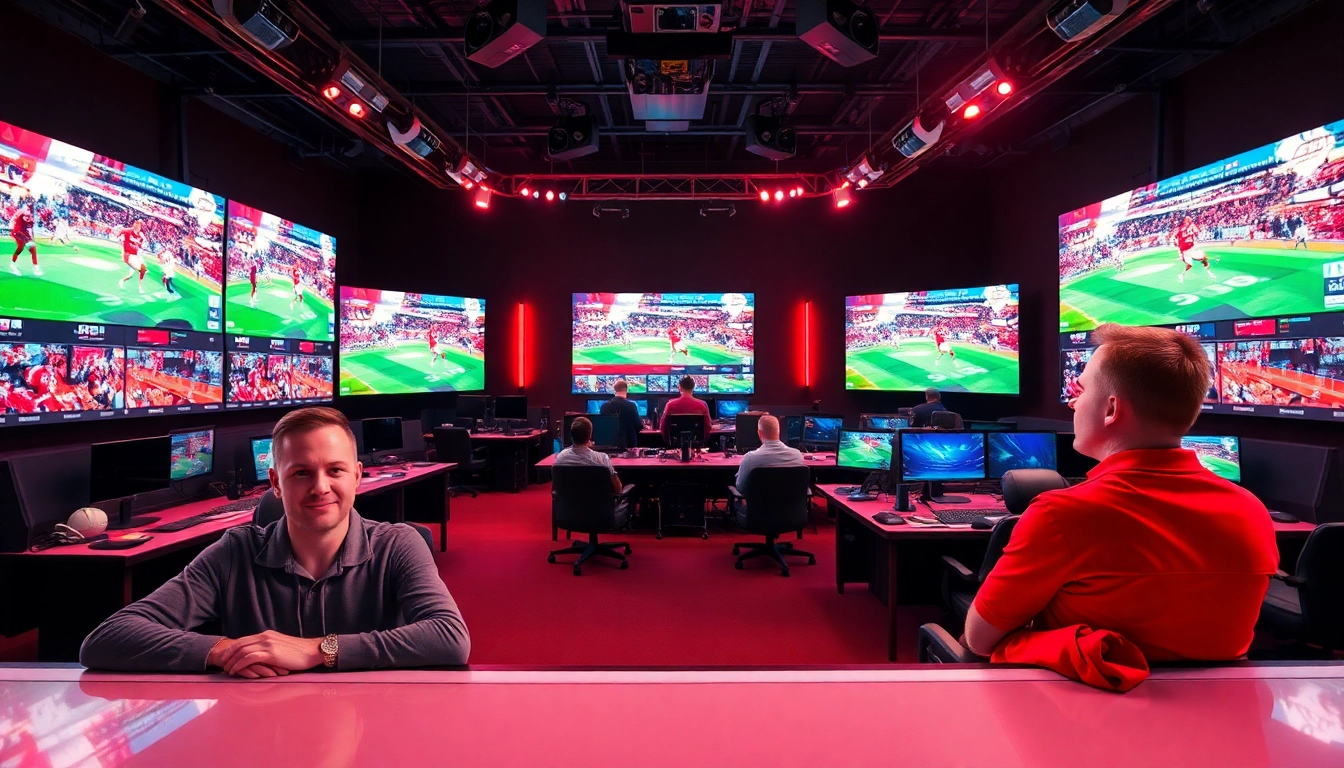
Understanding the Basics of Sports Broadcasting
Defining Sports Broadcasting in Today’s Media Landscape
Sports broadcasting has evolved significantly over the years, transitioning from traditional television and radio formats to a diversified media landscape that includes digital platforms and social media. This dynamic evolution allows content to reach audiences on various devices such as smartphones, tablets, and desktops. At its core, Sports Broadcasting involves the transmission of live sports events, sports commentary, and analysis, creating an immersive experience for the viewer. The interplay between technology, audience preference, and content type shapes the industry today, making it essential for broadcasters to stay updated with trends and innovations.
The Role of Technology in Sports Broadcasting
Technology is a driving force behind the modernization of sports broadcasting. High-definition cameras, drones, and 4K resolution have become standard, enhancing the viewer’s experience. Moreover, tools such as instant replay and virtual graphics provide deeper insights into gameplay, making broadcasts more interactive. Innovations like augmented reality (AR) and virtual reality (VR) are also beginning to reshape the way audiences engage with sports, offering fans unprecedented levels of immersion. These technological advancements not only enhance the storytelling aspect of sports but also cater to the increasing expectations of tech-savvy viewers.
Key Components of a Sports Broadcast
A successful sports broadcast comprises several key components that work together to deliver an engaging experience. These include:
- Commentary: Skilled commentators provide play-by-play updates, colorful insights, and analysis to keep viewers informed and engaged.
- Graphics and Stats: Real-time statistics and graphics enrich the viewing experience, offering context and highlighting key moments.
- Audience Interaction: Engaging with the audience through social media and viewer polls adds a layer of community to broadcasts.
- Production Quality: High standards in filming, sound quality, and editing are critical to maintaining viewer interest and professionalism.
Essential Skills for Sports Broadcasters
Communication Skills: Engaging Your Audience
Effective communication lies at the heart of successful sports broadcasting. Broadcasters must articulate thoughts clearly and engagingly, using an enthusiastic tone that reflects the excitement of the sports events. They should also be adept at connecting with diverse audiences, utilizing storytelling techniques that resonate emotionally. This means that beyond simply reporting scores or events, broadcasters need to build narratives that captivate their viewers.
Research and Preparation: Knowing the Game
Preparation is key for a sports broadcaster. A deep understanding of the teams, players, historical context, and current season dynamics ensures that broadcasters can provide insightful analysis. This involves not only studying statistics but also following news developments that might impact the sporting event. Knowledge enables broadcasters to deliver content that is both relevant and engaging, positioning them as credible voices in the industry.
Adapting to Live Situations: Staying Calm Under Pressure
Sports broadcasting often involves unpredictable elements. Broadcasters must be prepared to adapt to changes, whether it’s a game delay, an unexpected injury, or breaking news. Staying calm under pressure and making prompt decisions is crucial during live broadcasts. This adaptability enhances the viewing experience by ensuring seamless transitions and keeping the audience informed, even in uncertain situations.
Exploring Different Formats of Sports Broadcasting
Live Events vs. Pre-Recorded Shows
Live sports events are the cornerstone of sports broadcasting, offering viewers the thrill of real-time action. The immediacy of live broadcasts creates a unique excitement that pre-recorded shows cannot replicate. However, pre-recorded shows, such as highlight reels or analysis segments, allow for in-depth storytelling, editing, and additional context that enhance viewer understanding. Both formats serve their purpose and cater to different audience preferences, ensuring a well-rounded broadcasting strategy.
Radio Broadcasting: A Unique Perspective on Sports
Radio broadcasting holds a unique place in sports media, offering a distinct auditory experience free from visual distractions. The intimacy of radio allows listeners to engage their imaginations as they visualize the game. Radio broadcasters often rely heavily on descriptive language and storytelling, creating vivid images in the minds of their audience. As digital streaming becomes more common, maintaining radio as a viable medium involves integrating new technologies while preserving the artistry of live commentary.
Online Streaming: The Future of Sports Broadcasting
The rise of online streaming platforms has revolutionized the sports broadcasting landscape. Viewers now demand convenience and flexibility, preferring to watch games on their terms. Platforms like Twitch and sports-specific streaming services have emerged, providing tailored experiences and interactive features. Embracing this trend means that broadcasters must deliver high-quality content optimized for digital consumption, leveraging features like multi-camera angles, interactive graphics, and social media integration to stay competitive.
Challenges in the Sports Broadcasting Industry
Maintaining Viewer Engagement During Off-Peak Seasons
One of the significant challenges broadcasters face is maintaining viewer engagement during off-peak seasons. With fewer games and events, it becomes essential to diversify content offerings, such as interviews, documentaries, and historical analyses. Engaging storytelling, along with behind-the-scenes access or exclusive content, can keep audiences connected during quieter times, fostering loyalty and anticipation for the upcoming season.
Handling Controversies and Negative News
In sports, controversies such as player disputes or scandals often arise and need to be addressed responsibly by broadcasters. Maintaining a balanced approach is crucial; delivering honest narratives without sensationalism can preserve credibility. Engaging legal and ethical considerations while navigating negative news boosts trust among audiences, ensuring broadcasters remain authoritative voices even in turbulent times.
Adapting to Changing Audience Preferences
As viewer preferences evolve due to external factors such as changing demographics and technological advancements, broadcasters must continuously adapt their content strategies. Understanding audience behavior through analytics, surveys, and feedback allows broadcasters to tailor content accordingly. Incorporating innovative formats, such as short-form videos or interactive experiences, can attract and retain diverse viewership.
Measuring Success in Sports Broadcasting
Key Performance Indicators for Sports Broadcasting
Success in sports broadcasting can be measured through various key performance indicators (KPIs). Metrics such as viewership numbers, audience retention rates, and engagement levels are critical for evaluating performance. Additionally, tracking social media interactions provides insights into audience sentiment and preferences. A comprehensive understanding of these metrics enables broadcasters to refine their strategies for maximum impact.
Audience Feedback: What Viewers Really Want
Understanding audience feedback is paramount for broadcasters aiming to improve their content. Whether through direct surveys, social media interactions, or monitoring ratings, gathering viewer preferences and criticisms can guide enhancements. Actively listening to the audience and responding to their needs fosters loyalty while ensuring that broadcasts remain relevant and engaging.
Staying Ahead: Trends and Innovations in Broadcasting
The sports broadcasting landscape is continually evolving, with emerging trends and innovations reshaping how content is delivered. Staying ahead involves investing in technology like AI for personalized recommendations, utilizing mobile capabilities for on-the-go viewing, and exploring immersive experiences through VR. Keeping abreast of industry trends ensures that broadcasters offer modern, engaging content that aligns with audience preferences.
Frequently Asked Questions
What is the role of technology in sports broadcasting?
Technology enhances sports broadcasting through high-definition visuals, instant replays, and augmented reality, improving viewer engagement and experience.
What skills are essential for a successful sports broadcaster?
Key skills include effective communication, thorough research, adaptability to live situations, and the ability to engage diverse audiences creatively.
How do online streaming platforms impact sports broadcasting?
Online streaming has revolutionized viewing habits, offering flexibility and interactive features that traditional broadcasting cannot match.
How can broadcasters maintain viewer interest during off-peak seasons?
Diversifying content with interviews, behind-the-scenes access, and historical programming helps maintain engagement during quieter periods.
What are essential KPIs for measuring broadcast success?
Key performance indicators include viewership numbers, engagement levels, audience retention rates, and social media interactions, providing insights into performance.