
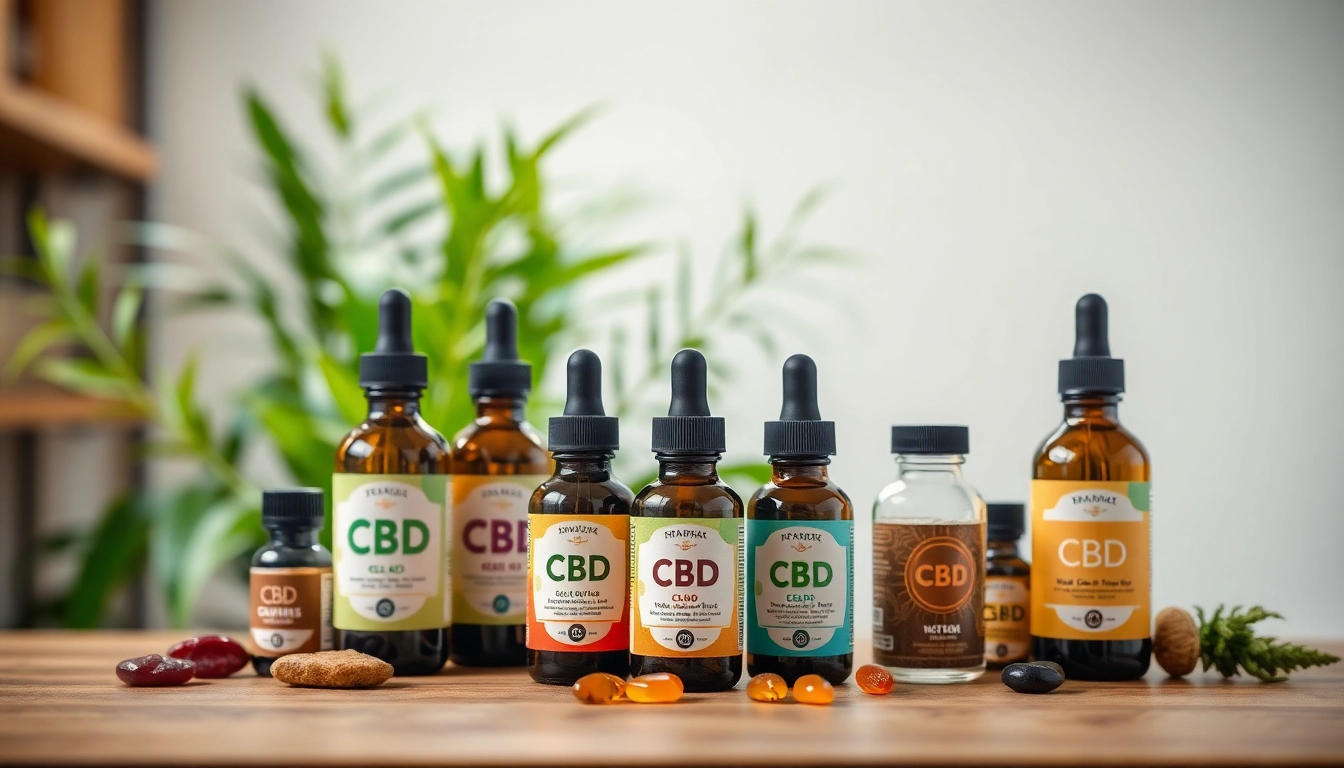
What is CBD? An Overview
The Definition of CBD
Cannabidiol, commonly referred to as CBD, is a naturally occurring compound found in the resinous flowers of cannabis plants, notably within both marijuana and hemp varieties. Unlike its more famous counterpart, tetrahydrocannabinol (THC), CBD does not produce psychoactive effects; it does not create a "high." This characteristic makes it appealing for those seeking potential health benefits without the intoxicating effects associated with cannabis. CBD interacts with the body’s endocannabinoid system, a complex network that helps regulate a variety of physiological processes, including mood, pain sensation, and immune function. For those looking to delve into the various aspects of CBD, visiting CBD resources can provide insightful information.
Chemical Structure and Properties of CBD
CBD is one of over 113 cannabinoids identified in cannabis and accounts for a significant percentage of the plant’s extract. Its chemical formula is C21H30O2, and its structure involves a complex arrangement of carbon, hydrogen, and oxygen atoms. This specific structure is what distinguishes CBD’s properties from other cannabinoids.
The molecule consists of 21 carbon atoms linked in a carefully arranged network, along with its corresponding hydrogen and oxygen groups. This precise arrangement is key to its interaction with the receptors in the human endocannabinoid system. Notably, CBD is non-toxic and can be administered in various forms, including oils, edibles, or topical applications, enhancing its versatility as a therapeutic compound.
How CBD Differs from THC
While both CBD and THC share a similar chemical structure, their effects on the body are profoundly different. THC is the primary psychoactive compound in cannabis, responsible for the euphoric high experienced by users. In contrast, CBD does not bind directly to cannabinoid receptors; rather, it influences the body’s endocannabinoid system by enhancing the effects of naturally occurring neurotransmitters.
Additionally, CBD has been associated with various therapeutic benefits, such as anti-inflammatory properties, anxiety reduction, and potential pain relief, without the side effects commonly associated with THC. Hence, while both compounds offer health benefits, CBD’s non-psychoactive nature appeals to a broader audience, including those who may be sensitive to the effects of THC.
Health Benefits of CBD
Potential Therapeutic Uses of CBD
CBD has garnered significant attention in recent years for its potential therapeutic applications. Researchers are exploring its effectiveness in treating a range of conditions, including epilepsy, anxiety disorders, chronic pain, and inflammation. One of the most prominent uses of CBD is in the management of certain types of epilepsy, notably in forms that do not respond to traditional treatments. Clinical studies have shown significant reductions in seizure frequency for some patients.
Furthermore, CBD is being studied for its potential neuroprotective properties, offering hope for conditions such as Alzheimer’s and multiple sclerosis. Early research suggests that CBD's anti-inflammatory and antioxidant properties can help protect the nervous system from damage and provide symptomatic relief.
Scientific Evidence Supporting CBD Benefits
Numerous studies provide evidence supporting the therapeutic benefits of CBD. For instance, a review published in the journal *Frontiers in Neurology* discussed how CBD could be beneficial for neurological disorders, highlighting its ability to mitigate symptoms such as anxiety and psychosis.
Another pivotal study published in the *New England Journal of Medicine* showcased CBD’s effectiveness in reducing seizures in patients with Dravet syndrome, a severe form of epilepsy. As more research emerges, the scientific community continues to uncover potential uses of CBD, confirming its promising therapeutic landscape.
Common Conditions CBD May Help
CBD is being researched for its potential to help with a variety of medical conditions:
- Anxiety Disorders: CBD has shown promise in reducing anxiety levels in patients with generalized anxiety disorder, social anxiety disorder, and post-traumatic stress disorder (PTSD).
- Chronic Pain: Patients report relief from chronic pain conditions, including arthritis and back pain, through CBD's anti-inflammatory properties.
- Sleep Disorders: Many users have found CBD beneficial for improving sleep quality and reducing insomnia.
- Skin Conditions: CBD’s anti-inflammatory effects are being explored for conditions like acne and psoriasis.
Understanding CBD Products
Types of CBD Products Available
The market for CBD products is rapidly expanding, offering a wide array of options for consumers. Each type of product has different applications and effects based on its formulation and delivery method:
- CBD Oils and Tinctures: These liquid extracts are taken sublingually (under the tongue) for fast absorption.
- CBD Edibles: Gummies, chocolates, and beverages infused with CBD are popular choices for those who prefer a tasty option.
- Topicals: Creams, balms, and lotions infused with CBD can be directly applied to the skin for localized relief from pain or inflammation.
- Capsules and Softgels: These offer a convenient, pre-measured dose of CBD, making them ideal for on-the-go users.
- Vape Products: For those seeking immediate effects, CBD vape oils allow for rapid absorption through the lungs.
How to Choose the Right CBD Product
Selecting the appropriate CBD product depends on individual needs and preferences. Here are several factors to consider when making a choice:
- Purpose: Determine what you are looking to treat. Whether it’s anxiety, chronic pain, or another condition, certain products may be more effective than others.
- Potency: Check the concentration of CBD in the product. Higher concentrations may be more beneficial for severe conditions but may also come with a higher risk of side effects.
- Type of CBD: Consider whether you want isolate (pure CBD), full-spectrum (which includes all cannabinoids), or broad-spectrum (all but THC) products depending on your preferences regarding THC.
- Research Brands: Select products from reputable companies that provide third-party lab testing results for transparency and quality assurance.
Evaluating CBD Product Quality
Not all CBD products are created equal. To ensure product quality, consumers should look for:
- Third-Party Testing: Certified independent labs should evaluate quality and purity, offering lab results that consumers can access.
- Source of Hemp: The best CBD products are derived from hemp plants grown in accordance with federal regulations, ensuring they are free of harmful chemicals and pesticides.
- Ingredient Transparency: Products should list all ingredients clearly, allowing consumers to be informed about what they are consuming.
- User Reviews: Feedback from other users can provide insights into a product's effectiveness and potential issues.
Possible Side Effects and Risks of CBD
Common Side Effects of CBD
Although CBD is generally well tolerated, it is not without side effects. Some of the common side effects include:
- Dry Mouth: A common phenomenon reported by CBD users, which can be alleviated by staying hydrated.
- Diarrhea: Some individuals may experience gastrointestinal upset or digestive issues.
- Changes in Appetite: CBD can affect one’s appetite, either increasing or decreasing it.
- Fatigue: Some users report feeling drowsy or fatigued after taking CBD, particularly in high doses.
Drug Interactions with CBD
It is crucial to consult a healthcare professional before starting CBD, especially if you are taking other medications. CBD can interact with certain pharmaceuticals, including blood thinners and medications for epilepsy or anxiety. Such interactions can enhance or diminish the effectiveness of these drugs and lead to unwanted side effects.
Safety Considerations When Using CBD
To ensure safe use of CBD, consider the following precautions:
- Consult a Healthcare Provider: Especially if pregnant, nursing, or if you have a pre-existing medical condition.
- Start Low and Go Slow: Begin with a low dose to see how your body reacts before increasing it gradually.
- Avoid Mixing Substances: Steer clear of mixing CBD with alcohol or other substances that may cause sedation or impair functionality.
Legal Considerations Surrounding CBD
Understanding the Legal Status of CBD
The legality of CBD varies across jurisdictions, primarily influenced by the source of the cannabis. In many regions, CBD derived from hemp is legal, provided it contains less than 0.3% THC, marking it as non-psychoactive. However, CBD extracted from marijuana may still be subject to stricter regulations.
It is crucial for consumers to stay updated on local laws concerning CBD usage, distribution, and sales to ensure compliance. Legislative nuances can evolve, reflecting ongoing research and shifting public opinion on cannabis products.
Labeling and Regulations for CBD Products
The FDA oversees the regulation of CBD products to ensure consumer safety. Currently, regulations focus on labeling accuracy, requiring that products must accurately disclose their contents. Misleading labeling can lead to unauthorized claims and potential health risks. Companies must adhere to strict guidelines about health benefits, marketing claims, and THC levels in their products.
The Future of CBD Legislation
As research continues to shed light on the benefits and risks associated with CBD, the legal landscape is likely to change. Future legislation may streamline the regulatory process, promote fair marketing practices, and ensure consumer protection. Ongoing advocacy and research efforts may shape a more comprehensive framework governing the production, sale, and distribution of CBD products.