admin
admin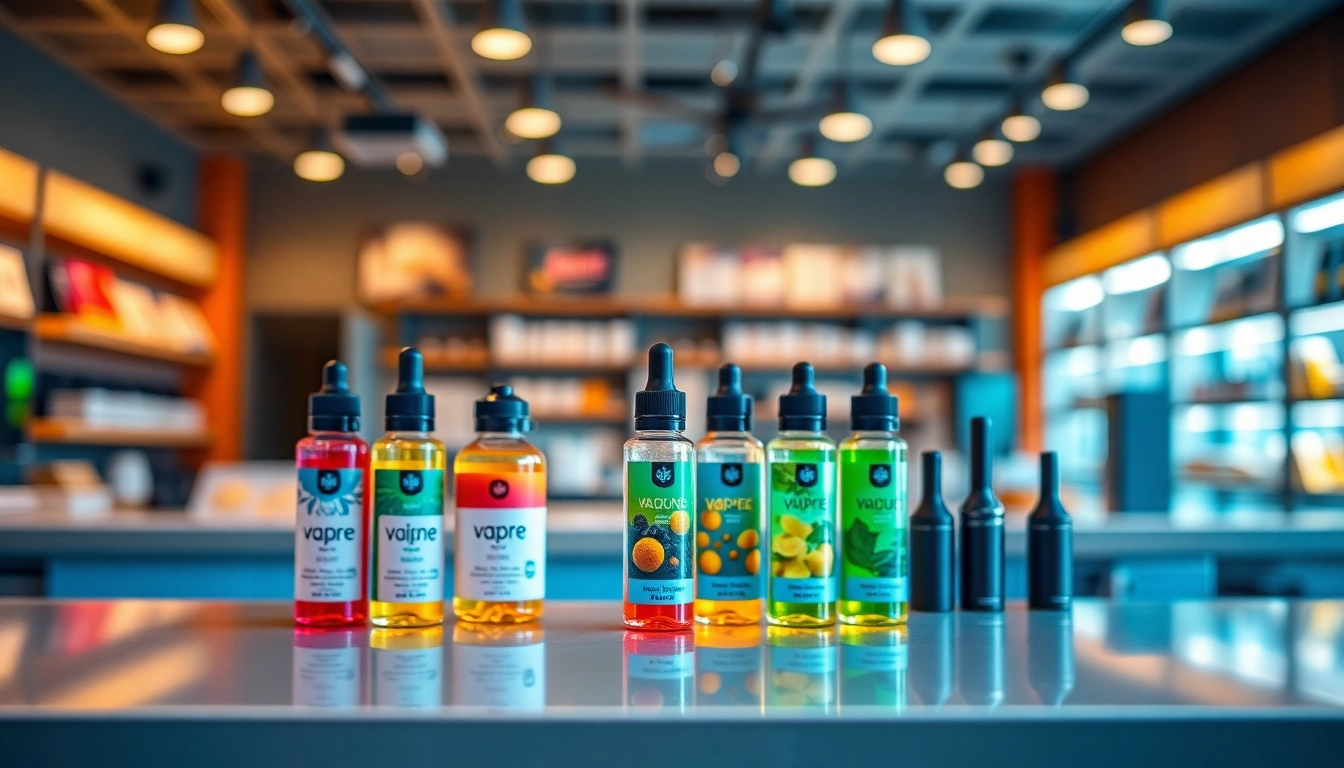
Understanding Vape & E-Liquids Basics
What are Vape & E-Liquids?
Vape & E-Liquids represent the liquid form of what is used in vaping devices to produce vaporized nicotine, flavors, and other compounds. These liquids have become the go-to choice for individuals looking to transition from traditional smoking or simply wishing to enjoy flavored inhaleable experiences without the combustion of tobacco. Each Vape & E-Liquids bottle typically contains a mixture of propylene glycol (PG), vegetable glycerin (VG), flavored extracts, and optional nicotine. The PG and VG serve as the base ingredients, providing the vapor when heated, while flavorings cater to individual preferences.
Different Types of Vape & E-Liquids
E-Liquids come in various types catering to different preferences and usage scenarios. Here are some common categories:
- Standard E-Liquids: These come in various flavors and nicotine strengths. They are typically used in larger tanks and sub-ohm devices for a more substantial vapor production.
- Salt Nicotine E-Liquids: Containing nicotine salts instead of freebase nicotine, these e-liquids are designed for higher nicotine concentrations and often produce a smoother throat hit, making them ideal for new vapers.
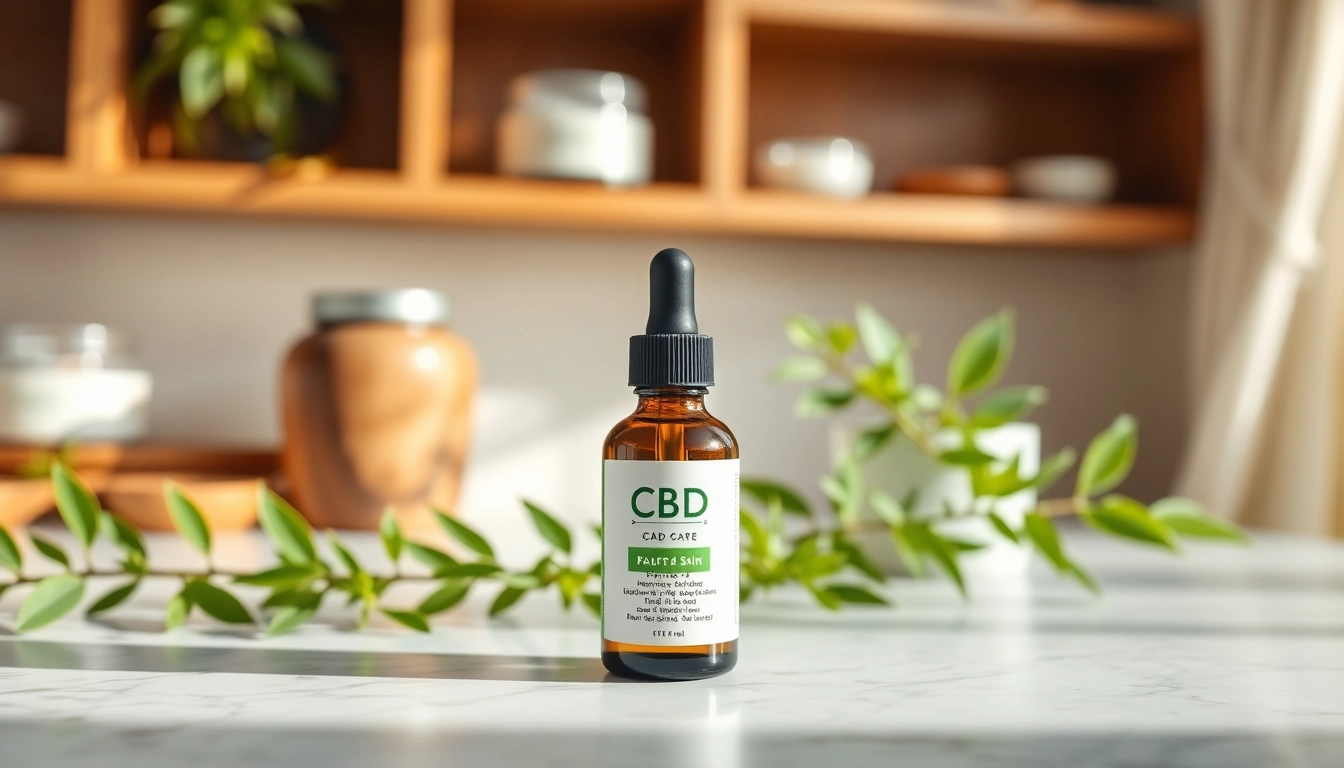
- CBD E-Liquids: These are infused with CBD oil and allow users to enjoy the potential benefits of CBD without the psychoactive effects of THC.
- Disposable Vapes: While not technically a liquid, they usually come pre-filled with an e-liquid and are thrown away after use. They are convenient options for those who want minimal investment and maintenance.
Key Ingredients and Their Importance
Understanding the ingredients of e-liquids is essential for making informed choices. The primary components include:
- Propylene Glycol (PG): A colorless, odorless liquid that is commonly used as a base in e-liquids because it provides a throat hit similar to traditional smoking.
- Vegetable Glycerin (VG): A thicker, sweeter substance that generates larger vapor clouds. Users often prefer high-VG e-liquids for their smoother inhalation experience.
- Flavorings: These can be natural or artificial and determine the taste profile of the e-liquid. The variety of flavors is what attracts many users.
- Nicotine: Present in various strengths, nicotine provides the addictive quality associated with tobacco products. Users can select their nicotine levels based on their preferences and habits.
E-Liquid Flavor Profiles
Fruity and Refreshing E-Liquids
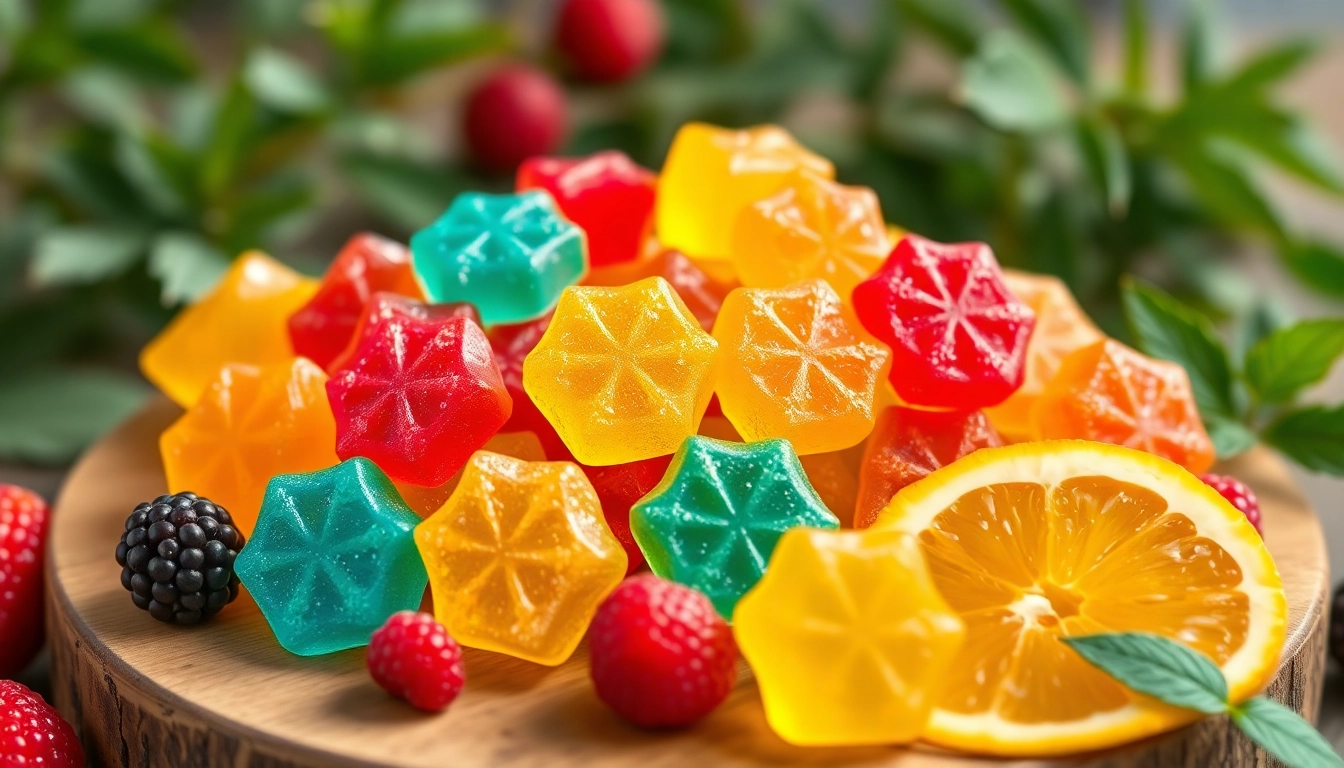
Fruity e-liquids are popular for their vibrant and varied flavor profiles, which can range from juicy berries to tangy citrus fruits. Flavors like watermelon, apple, and tropical mixes often appeal to users looking for refreshing experiences. These e-liquids can capture the bright essence of real fruits, offering a palate cleanse with every puff, making them ideal for long vaping sessions.
Indulgent Dessert Flavors
Dessert-themed e-liquids cater to those with a sweet tooth, encompassing flavors like vanilla custard, chocolate cake, or creamy cheesecake. These flavors provide a richer vaping experience, often accompanied by a delightful aroma. Dessert e-liquids not only satisfy cravings but can also evoke comforting memories of favorite desserts, making them a popular choice during leisure times.
Menthol and Mint Variants
Menthol and mint flavors provide a refreshing and cooling sensation that many users appreciate. These e-liquids can range from light mint to a strong menthol burst, offering a contrast to the sweetness of fruit or dessert flavors. Menthol is commonly favored by those transitioning from traditional tobacco due to its latent similarities, merging the familiar smoking experience with a cooler twist.
Choosing the Right Vape & E-Liquids
Identifying Your Flavor Preferences
Your taste preferences play a vital role in selecting the ideal e-liquid. To determine your preferences, exploring small sample bottles or variety packs can be beneficial. Focus on different categories, such as fruity, dessert, or mint profiles, and take notes on what resonates with your palate. Engaging in tasting experiences at local vape shops can also yield helpful insight into flavor nuances and personal taste.
Nicotine Levels Explained
Nicotine is available in various concentrations, often ranging from 0mg to 50mg/ml in salt nicotine formulations. Understanding your nicotine tolerance is critical; if you’re transitioning from traditional cigarettes, starting at a level similar to your usual intake can ease the shift. Reducing nicotine levels over time is feasible as your dependency fades, allowing for a customized approach to ultimately reaching your desired vaping experience.
Understanding VG and PG Ratios
VG and PG ratios determine the viscosity of e-liquids and the quality of vapor production. Common ratios include 50/50, 70/30, and higher VG formulas for sub-ohm devices. Users should consider their hardware when selecting ratios; for instance, high-VG liquids may clog smaller atomizers but yield intense vapor production. Knowing your device’s capabilities will enhance your overall experience.
Best Practices for Using Vape & E-Liquids
Proper Storage Techniques
To maintain the integrity and longevity of e-liquids, proper storage techniques are essential. Store e-liquids in a cool, dark place, preferably in a cabinet or a box, away from direct sunlight. Extreme temperatures can degrade flavor and nicotine strength. Additionally, ensure bottles are securely closed to prevent contamination and evaporation.
Vaping Safety Guidelines
Safety should always be a priority when using vape devices and e-liquids. Avoid overcharging batteries and using damaged equipment. Always follow manufacturer guidelines for setup and usage, and never mix different liquids to avoid chemical interactions. Additionally, be mindful of your surroundings and consider the impact of vaping on those around you.
Battery and Device Compatibility
Understanding the compatibility between your e-liquids and vaping devices is crucial for an optimal experience. Certain devices work best with specific e-liquid viscosities, and selecting the right coil for your setup will impact overall satisfaction. If you’re trying out new e-liquids, ensure that your device can handle their composition, particularly focusing on e-liquids with higher VG content which require devices designed for greater vapor output.
The Future of Vape & E-Liquids
Innovations in Vaping Technology
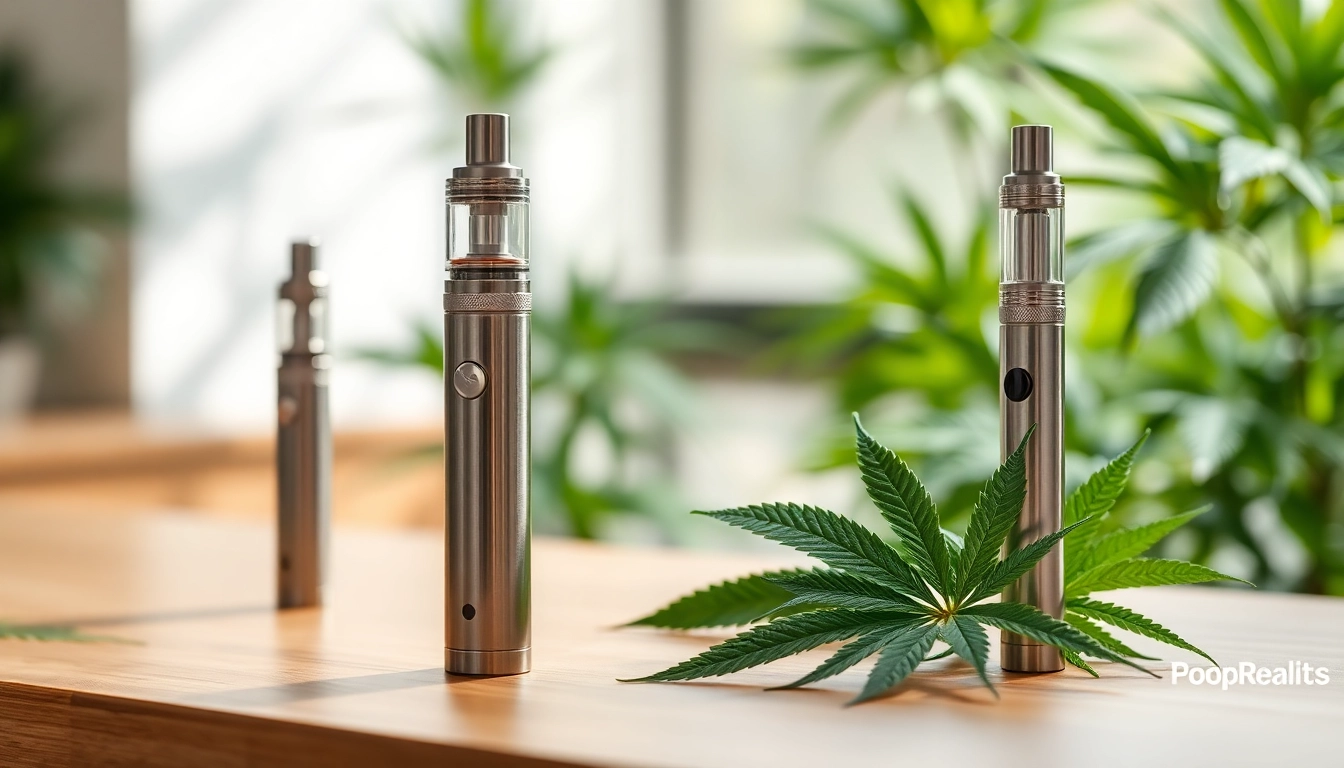
The vaping industry continues evolving, showcasing advancements in technology and device designs. Cutting-edge vaporizers now feature temperature controls, customizable settings, and app connectivity which allow users to monitor their vaporization experience in real-time. Innovations like these can enhance personal preferences while driving improvements in overall safety and flavor delivery.
Trends in Flavor Development
Flavor development is an ongoing area of interest in the vaping landscape. Manufacturers are exploring exotic flavors, creative combinations, and even seasonal offerings to attract a diverse audience. As consumers become more experimental in their flavor choices, expect to see unique blends that challenge traditional norms and provide unforgettable experiences.
Regulatory Changes Impacting the Industry
The vaping industry is also subject to changing regulations, impacting everything from ingredient restrictions to marketing practices. As legislation adapts to address health concerns, manufacturers will need to remain informed and compliant with regulations while prioritizing consumer safety. Staying abreast of these developments will help both producers and consumers navigate the evolving landscape effectively.